
Can Dogs Eat Apples? The Ultimate Safety & Nutrition Guide

A fluffy black puppy standing on a forest path looking at a fresh red apple on the ground.

Apples are often called “nature’s candy.” They are crisp, juicy, and packed with nutrients. But as a responsible pet parent, you might wonder: Can dogs eat apples? The short answer is yes, but with some very important safety rules. While the flesh of the apple is a fantastic low-calorie snack, other parts like the seeds and the core can pose serious health risks.

In this 2026 updated guide, we go beyond the basic “yes or no” to answer every specific question you have about feeding apples to your dog, covering everything from cyanide risks to puppy safety.

Nutritional Profile: Why Apples are Good for Dogs

A smiling Beagle dog with fresh red and green apple slices and cubes prepared as a healthy pet treat.

Apples aren’t just a filler treat; they are a nutritional powerhouse. If you are looking for a way to boost your dog’s health naturally, apples are the way to go.

Essential Vitamins for Immunity

  • Vitamin A: Supports your dog’s immune system and helps maintain healthy skin and a shiny coat.
  • Vitamin C: An important antioxidant that helps reduce inflammation and cognitive aging in senior dogs.

Dietary Fiber for Digestion

Apples are high in pectin (a type of fiber), which is crucial for maintaining a healthy digestive tract. It helps regulate bowel movements and can be especially beneficial for dogs struggling with mild constipation.

Low-Fat & Weight Management

Unlike many commercial dog treats that are loaded with hidden fats, apples are a lean snack. This makes them the perfect choice for senior dogs or pets on a weight-loss diet.

The Dangers: Seeds, Cores, and Cyanide

This is where many big websites fail to explain the “Why.” We want to be clear so your readers trust you more than the big brands.

The Cyanide Risk in Seeds

Apple seeds contain a compound called amygdalin. When chewed, it releases cyanide. While 2-3 seeds won’t kill a large dog, the toxin accumulates. For puppies or small breeds, even a few seeds can lead to toxicosis. Always ensure every seed is removed.

The Core: A Hidden Choking Hazard

The apple core is tough and fibrous. It is almost impossible for a dog’s stomach enzymes to break it down quickly. Swallowing a core can lead to Intestinal Blockage, a life-threatening condition that often requires emergency surgery.

Pesticides and Wax Coating

Commercial apples are often coated in wax to look fresh. Always wash the apple thoroughly or peel it to ensure your dog isn’t ingesting harmful chemicals or pesticides.

Can Dogs Eat Apple Skin?

Yes! The skin is where most of the fiber and antioxidants (like quercetin) are located. However, if your dog has a sensitive stomach, the high fiber in the skin might cause temporary gas or loose stools. Start with small amounts.

Can Puppies Eat Apples?

Two Beagle puppies eating safe, chopped apple pieces and slices on a wooden board on a kitchen counter

Puppies can have apples starting around 8–10 weeks old. However, their teeth and throats are small, so you must cut the apple into tiny, soft cubes. Start with just one piece to check for any allergic reaction.

Can Dogs Eat Apples in the Morning?

Yes. Some pet owners find that giving fruit in the morning helps with “morning breath.” However, never give it on a completely empty stomach if your dog is prone to bilious vomiting (yellow foam).

Can Dogs Eat Apples and Peanut Butter?

This is a favorite treat! But there is a huge danger: Xylitol. Many peanut butter brands use this artificial sweetener, which is lethal to dogs. Always use 100% natural, Xylitol-free peanut butter.

Red vs. Green Apples: Which is Better?

A side-by-side comparison in a sunlit orchard, featuring a sitting Beagle dog next to a bowl of red apples with a tag that reads
  • Red Apples (Gala, Fuji): Sweeter, higher in antioxidants, and usually preferred by dogs.
  • Green Apples (Granny Smith): Tart and lower in sugar. These are better for overweight dogs but can be too acidic for some pets with sensitive tummies.

What Happens if a Dog Eats an Apple Core?

If your dog steals a core from the trash, don’t panic immediately. Monitor them for the next 24 hours for:

  1. Vomiting
  2. Lethargy 
  3. Straining to poop or abdominal pain If you see these signs, visit a vet. The core might be stuck in their small intestine.
Dog SizeRecommended Serving
Small / Toy Breeds1-2 thin slices
Medium Dogs3-4 slices
Large DogsHalf a small apple

Safe Serving: The “PetExpertly” Method

To ensure 100% safety, follow these steps:

  1. Wash: Use a fruit wash or vinegar water to remove wax.
  2. Remove Stem & Core: Discard them in a secure, dog-proof bin.
  3. Check for Seeds: Ensure not a single black seed remains.
  4. Size Matters: Cut into thin slices for large dogs and small cubes for small breeds.

Creative Apple Recipes for Dogs

The Apple-Yogurt Freeze:

  • Chop 1 apple (no seeds/core).
  • Mix with 1/2 cup plain, unsweetened yogurt.
  • Freeze in ice cube trays. This is a perfect hydrating snack for hot summers!

Apple & Carrot Dog Biscuits:

  1. Grate 1 apple (no seeds/core) and 1 medium carrot
  2. Mix with 1 cup whole wheat flour and 1 egg
  3. Roll out and cut into small bone shapes
  4. Bake at 180°C for 25 minutes until crispy
  5. Let cool completely before serving in an airtight container for up to 1 week!

Frequently Asked Questions (FAQs)

1. Can dogs eat apple seeds? No. Apple seeds contain cyanide-releasing compounds. While a few might not be fatal, they are toxic and should always be removed.

2. How often can dogs eat apples? Apples should be a treat, not a meal. Follow the 10% rule: treats should only make up 10% of your dog’s daily calories. Usually, a few slices a day is enough.

3. Can apples give dogs diarrhea? Yes, if fed in excess. The high fiber and sugar content can upset a dog’s stomach if they aren’t used to it.

4. Can dogs eat apples from trees? Yes, but be careful. Fallen apples can ferment and produce ethanol (alcohol), which is toxic. Also, ensure they don’t eat the fallen seeds or stems.

5. Is it okay for dogs to eat apples every day? In moderation, yes. It provides a consistent source of fiber and vitamins, provided the dog doesn’t have diabetes or kidney issues.

Conclusion

In summary, Can dogs eat apples? Absolutely. They are one of the healthiest, most affordable treats you can provide. By simply removing the seeds and core, you turn a common fruit into a powerful supplement that supports your dog’s digestion and immune system.

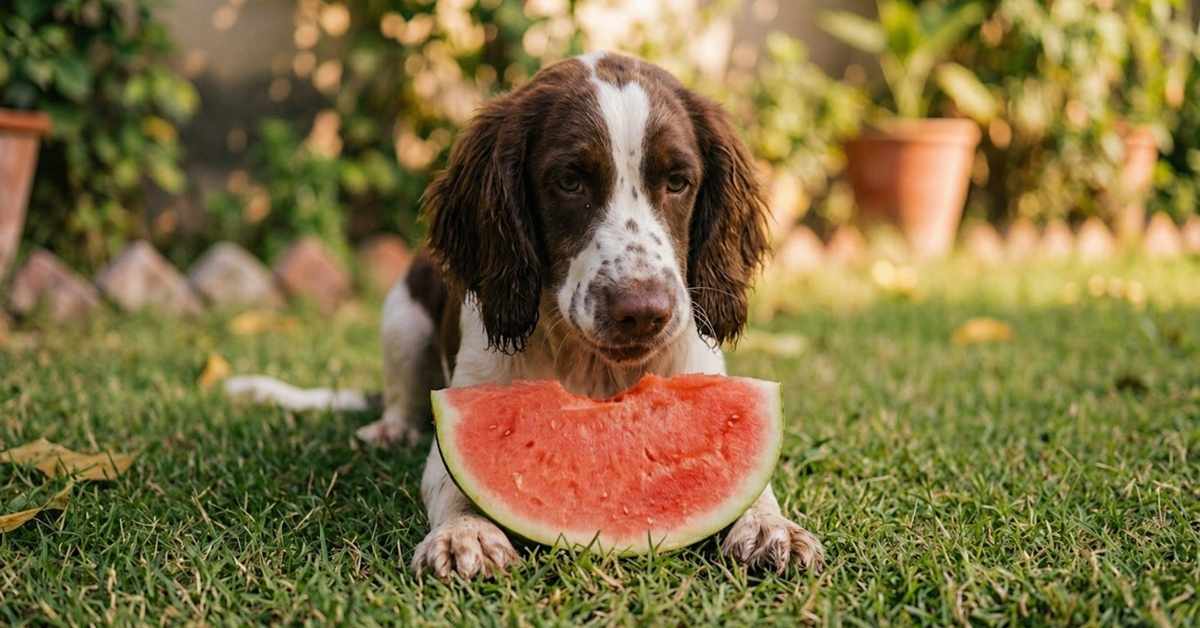
Want to explore more safe fruits for your dog? Check out our guides on Can Dogs Eat Watermelon and Can Dogs Eat Blueberries for more expert-approved snack ideas! 

Leave a Comment

Your email address will not be published. Required fields are marked *

Scroll to Top