

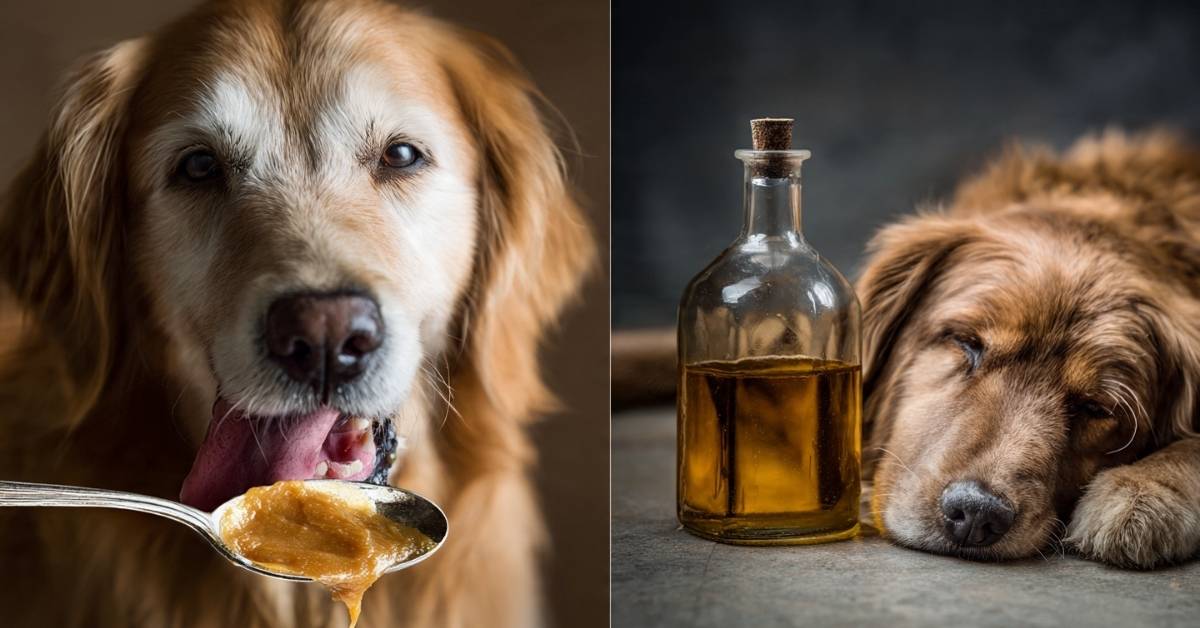
Can dogs have palm oil? This is one of the most common questions pet owners ask when checking ingredient labels on treats and peanut butter jars. While pure palm oil is not toxic to dogs in the same way that chocolate or grapes are, it presents several serious health risks that every dog owner must understand. In this complete 2026 guide, we cover everything from digestive dangers to the deadly beach palm oil hazard.
Can Dogs Have Palm Oil? Understanding the Real Risks
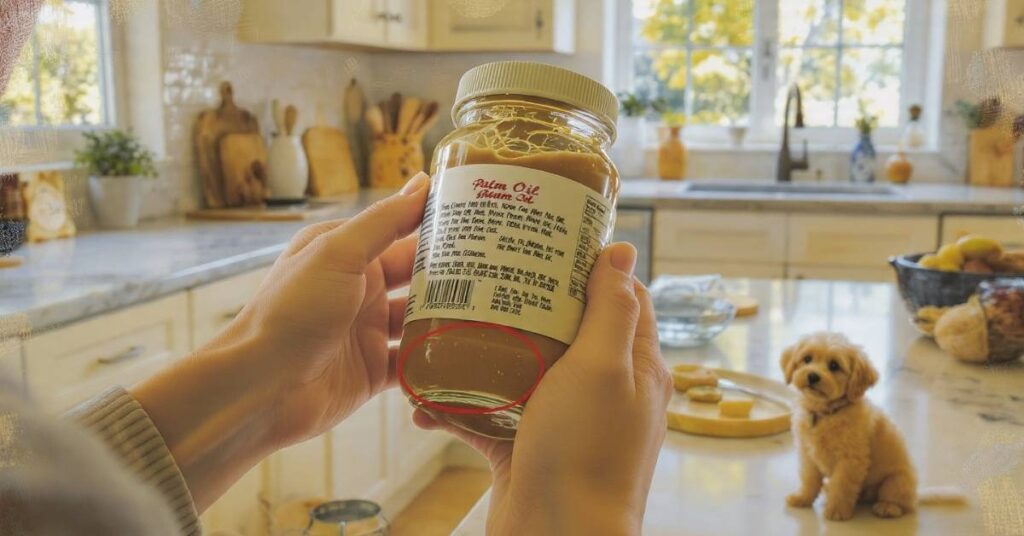
Palm oil is a vegetable oil derived from the fruit of oil palms. In small, highly processed amounts like those found in some high-quality dog supplements it is generally considered non-toxic in terms of immediate poisoning.
However, “safe” does not mean “healthy.” Palm oil is incredibly high in saturated fats. For a canine digestive system, consuming high-fat substances can lead to:
Acute Gastrointestinal Upset: Causing sudden vomiting and severe, watery diarrhea.
Laxative Effect: Acting as a rapid stool softener that causes dangerous dehydration.
Pancreatitis: According to the American Kennel Club, high-fat foods are one of the leading causes of pancreatitis in dogs, a painful, life-threatening inflammation of the pancreas.
For healthier snack alternatives, check out our guides on Can Dogs Eat Apples? and Can Dogs Eat Watermelon? for safe, low-fat treat ideas.
The Peanut Butter Problem: Palm Oil in Everyday Snacks
One of the most common ways this ingredient enters a dog’s diet is through human snacks.
Many commercial peanut butter brands use palm oil as a stabilizer to prevent natural oils from separating. If your dog licked a small amount of peanut butter containing this oil, they will likely be fine. Furthermore, the goal for any pet parent should be to provide the cleanest nutrition possible.
When shopping for your dog, always look for 100% natural peanut butter that contains only peanuts and a pinch of salt.
The Golden Rule: Always Avoid Xylitol
You must always ensure the product is completely free from Xylitol an artificial sweetener that is instantly lethal to dogs. While palm oil causes stomach issues, Xylitol causes rapid liver failure and death. Always read the back of the jar carefully. For more on toxic foods, read our complete guide on Can Dogs Eat Chocolate?
Beach Hazards: The Extreme Danger of Palm Oil Bergs
There is a very specific and highly dangerous version of this substance that dog walkers must avoid: solidified beach debris, commonly called palm oil bergs.
In coastal areas, large white or yellowish boulders of solidified palm oil frequently wash up on shores. As reported by the RSPCA, palm oil bergs on beaches pose a serious and growing threat to dogs in coastal areas.
Why it is toxic: These bergs are contaminated with crude diesel fumes from ships, marine bacteria, and ocean pollutants.
Why dogs eat it: These bergs emit a highly attractive, fatty, and pungent smell that dogs find irresistible.
In addition, ingesting beach palm oil is far more dangerous than household cooking oil. The concentrated toxins and rock-hard consistency can cause fatal systemic poisoning or severe intestinal blockages requiring emergency surgery.
Can Palm Fruit Oil Benefit a Dog’s Skin?

You may have seen palm fruit oil or red palm oil listed in certain skin and coat supplements. When properly purified and formulated in veterinary-approved doses, red palm oil is rich in Vitamin E and beta-carotene, which can support skin elasticity.
However, you should never pour household cooking oil over your dog’s food. The risks of rapid weight gain, high cholesterol, and pancreatic stress far outweigh any minor skin benefits.
Can Dogs Have Palm Oil? What to Do If They Eat It
If your dog has consumed a significant amount of cooking oil or any amount of beach debris, do not adopt a wait-and-see approach. Most importantly, take these immediate steps:
Step 1 Contact a Vet Immediately: If your dog ate a beach berg or a large amount of grease, your vet may need to safely induce vomiting within the first 2 hours.
Step 2 Monitor for Dehydration: Severe diarrhea and vomiting will deplete fluids quickly. Therefore, keep fresh water available at all times.
Step 3 Watch for Pancreatitis Symptoms: Look for a hunched back, intense abdominal pain, loss of appetite, and extreme lethargy over the next 24 to 48 hours.
Step 4 Do Not Give Home Remedies: Finally, never give milk, bread, or oils to counteract the effects; these can worsen the situation significantly.
Comparing Fats: Better Oils vs Bad Oils for Dogs
To understand pet nutrition better, here is how palm oil compares against other common fats found in pet foods:
Fish Oil (Omega-3): Excellent. Supports joints, brain development, and coat health.
Flaxseed Oil: Great. A wonderful plant-based alternative for skin health.
Soybean Oil: Mediocre. Generally safe but used as a cheap filler in low-quality kibble.
Hydrogenated Vegetable Oil: Dangerous. Contains trans fats that actively harm canine heart health.
Palm Oil: Unnecessary. High in saturated fat, causes digestive upset, and offers zero nutritional benefit to dogs.
Frequently Asked Questions About Palm Oil and Dogs
1. Can a small amount of palm oil kill a dog? No, a tiny amount of pure palm oil in a commercial dog biscuit or a single lick of peanut butter will not kill a dog. However, eating large quantities can cause fatal complications like acute pancreatitis, while consuming solid beach palm oil bergs can lead to lethal chemical poisoning.
2. Why do manufacturers put palm oil in peanut butter if it is bad for dogs? Manufacturers add palm oil to human peanut butter purely as an emulsifier and stabilizer. It prevents natural peanut oil from separating and pooling at the top of the jar. It is designed entirely for human convenience and offers zero nutritional value to dogs.
3. What should I do if my dog licks palm oil? If your dog licked a tiny drop from a kitchen spill, monitor them at home for minor diarrhea or upset stomach for 24 hours. However, if they ate a large amount of oil or any quantity of beach debris, contact an emergency veterinarian immediately.
4. How long does it take for a dog to show symptoms? Standard digestive symptoms like vomiting, watery diarrhea, and lethargy typically appear within 12 to 24 hours after ingestion. If your dog ingested contaminated beach oil bergs, severe toxic symptoms can develop much faster due to absorbed ship chemicals.
5. What are the signs of pancreatitis in dogs caused by high-fat oils? Classic symptoms include a visibly hunched back due to severe abdominal pain, persistent vomiting, total loss of appetite, acute dehydration, and sudden weakness. These symptoms require urgent veterinary intervention to prevent internal organ failure.
6. Can dogs have palm oil in small amounts every day? No. Even small daily amounts of palm oil can accumulate and gradually increase the risk of obesity, high cholesterol, and chronic pancreatitis in dogs. There is no safe daily dose it is best avoided entirely.
Conclusion:
When balancing the facts, the answer is clear. While pure palm oil is not an immediate poison like grapes or chocolate, it serves zero beneficial purpose in a dog’s daily diet. Furthermore, the high concentration of saturated fats introduces completely unnecessary risks of stomach upset and potentially fatal pancreatitis.
For a happy and healthy pup, the safest strategy is to avoid processed human foods containing hidden fats. Stick to 100% natural treats, use veterinary-approved supplements for skin health, and stay highly vigilant during beach walks.
For more expert dog health guides, explore our complete series:
- Can Dogs Eat Grapes? TOXIC — Never Feed
- Can Dogs Eat Chocolate? Toxic Truth
- Can Dogs Eat Apples?
- Can a Dog Break Its Tail?
Did this guide help you? Drop your questions in the comments below and share it with a fellow dog owner!

Farhan Imran is the founder and lead editor of PetExpertly. With a background in managing pet-focused digital platforms like PurePawsLife, he is dedicated to researching and sharing the most reliable pet care advice. His goal is to help pet owners make informed decisions through well-researched guides