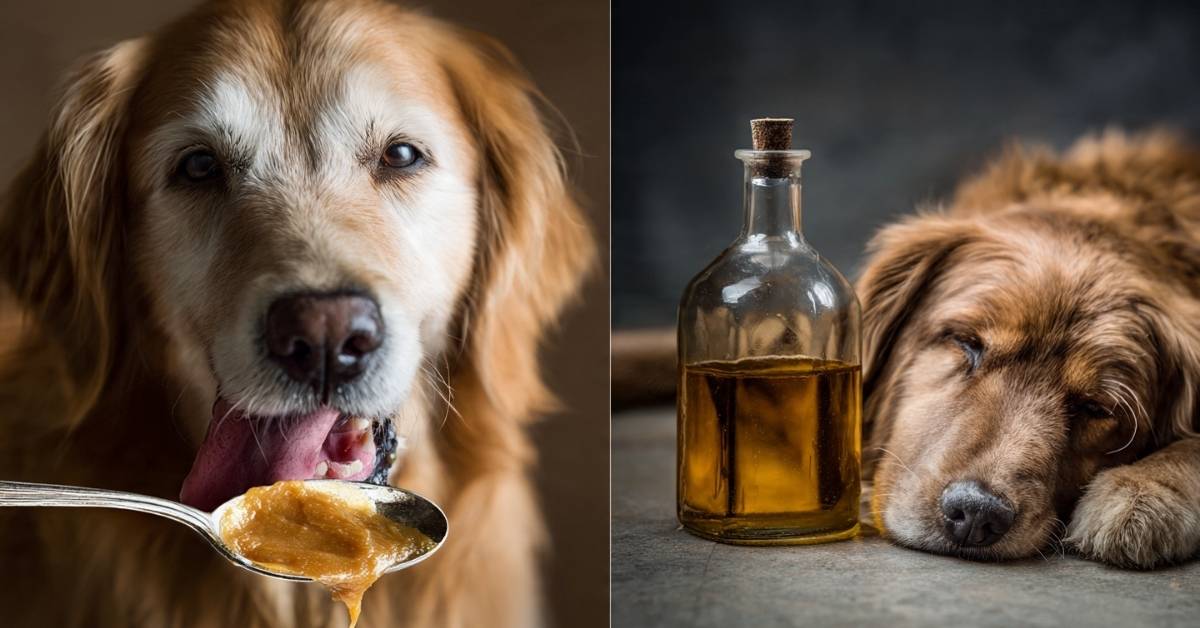

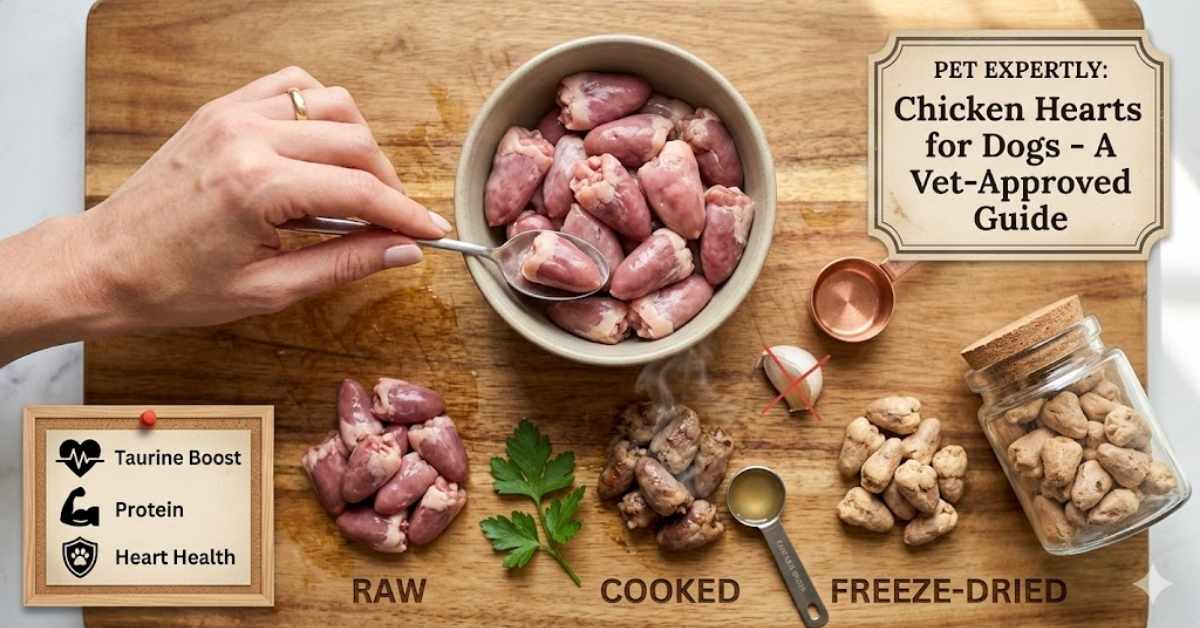
Yes, dogs can safely eat chicken hearts, and they make an exceptionally nutritious addition to your dog’s diet. As a dense muscle meat packed with essential amino acids, iron, and B vitamins, this organ functions more like a high-protein whole food than a delicate secreting organ. Feeding chicken hearts for dogs provides a natural source of taurine, which actively supports canine cardiac health and maintains long-term vitality.
Nutritional Benefits of Chicken Hearts for Dogs
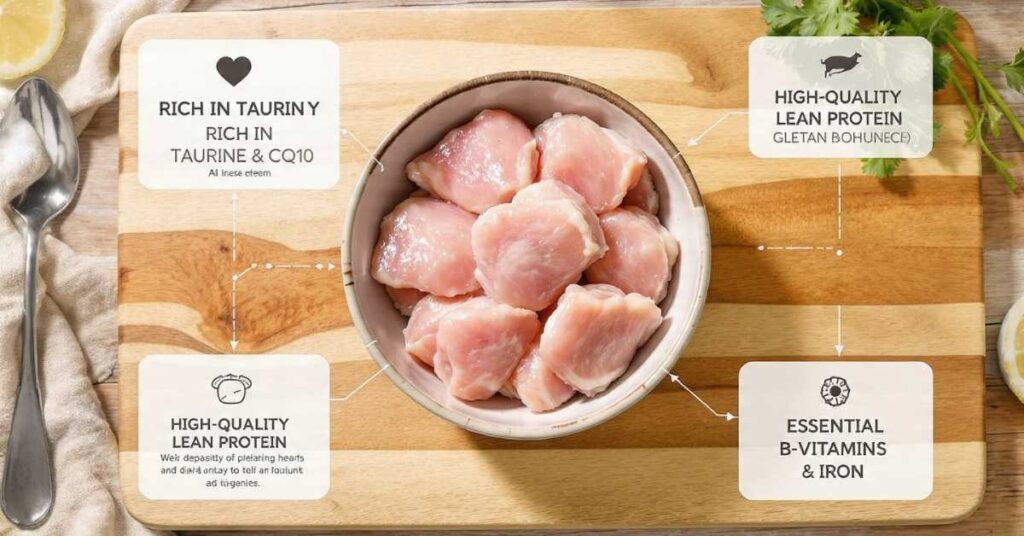
From a veterinary nutrition perspective, chicken hearts are a powerhouse food. While technically categorized as an organ in culinary terms, anatomically, the heart is a hard-working muscle. This means it offers the rich protein profile of standard muscle meat but carries vastly higher concentrations of specific micronutrients.
1. High-Quality Lean Protein
Chicken hearts provide clean, highly digestible protein that supports muscle maintenance, tissue repair, and immune function. The structural proteins within cardiac tissue are rich in collagen, which helps keep your dog’s joints, skin, and coat healthy.
2. Rich in Taurine and Coenzyme Q10 (CoQ10)
Taurine is an amino acid essential for healthy cardiac function in dogs. Large breeds predisposed to dilated cardiomyopathy (DCM) benefit heavily from natural food sources of taurine. CoQ10 acts as a potent antioxidant, boosting cellular energy production and keeping your dog’s heart muscle pumping efficiently.
3. Essential B Vitamins and Minerals
Chicken hearts contain highly bioavailable forms of critical micronutrients:
- Vitamin B12: Essential for a healthy nervous system and red blood cell production.
- Iron: Prevents anemia and ensures efficient oxygen transport throughout the bloodstream.
- Zinc: Supports healthy skin, sharp vision, and strong immune defenses.
Feeding Raw vs. Cooked Chicken Hearts

Pet parents often question whether it is better to feed raw chicken hearts for dogs or to cook them thoroughly first. Both methods offer distinct benefits depending on your dog’s current health status and your personal comfort level with food handling.
| Feeding Method | Pros | Cons | Best For |
| Raw Chicken Hearts | Retains 100% of heat-sensitive enzymes, vitamins, and amino acids. | Risk of bacterial cross-contamination (Salmonella, Listeria). | Healthy adult dogs on a raw or rotational diet. |
| Cooked Chicken Hearts | Eliminates pathogens completely; highly digestible and aromatic. | Minor loss of water-soluble B vitamins during the cooking process. | Puppies, senior dogs, and dogs with sensitive stomachs. |
| Freeze-Dried Hearts | Shelf-stable, convenient, retains maximum nutrient density. | Typically more expensive per ounce than fresh varieties. | Training rewards or hassle-free meal toppers. |
How to Safely Prepare Cooked Chicken Hearts
If you choose to cook fresh chicken hearts, always keep the preparation plain. Boil, steam, or pan-sear the hearts in plain water or a tiny splash of dog-safe bone broth.
Never add cooking oils, salt, butter, onions, garlic, or commercial seasonings, as these ingredients can cause severe digestive upset or toxicity.
Exact Portion Sizes and Feeding Guidelines
While highly beneficial, chicken hearts are rich and contain higher amounts of fat and purines than standard chicken breast. Overfeeding can lead to loose stools, weight gain, or nutrient imbalances.
Treats and supplemental foods should never make up more than 10% of your dog’s total daily caloric intake. Use the following veterinary-guided breakdown for proper portion sizes:
Daily Allowance by Dog Size
- Toy Breeds (Under 10 lbs): 1/2 to 1 chicken heart per day.
- Small Dogs (11–25 lbs): 1 to 2 chicken hearts per day.
- Medium Dogs (26–50 lbs): 2 to 3 chicken hearts per day.
- Large Dogs (51–90 lbs): 3 to 5 chicken hearts per day.
- Extra-Large Breeds (Over 90 lbs): 5 to 6 chicken hearts per day.
When introducing chicken hearts for dogs into a meal routine for the first time, start with just half of the recommended portion. Monitor your dog’s stool quality for 24 to 48 hours before increasing the amount.
Veterinary Warning: Pancreatitis and Purine Risks
Because chicken hearts contain a moderate amount of natural fat, they can trigger a flare-up of pancreatitis (severe inflammation of the pancreas) in sensitive individuals. Dogs with a history of pancreatitis or those currently on strict low-fat diets should avoid chicken hearts entirely.
Additionally, chicken hearts are rich in purines—natural compounds that break down into uric acid. If you own a Dalmatian or any breed prone to developing purine bladder stones, consult your primary veterinarian before adding hearts to their bowl.
Signs of Dietary Indiscretion to Watch For
If your dog sneaks a large quantity of chicken hearts from the kitchen counter or simply eats too many at once, keep a close watch for signs of digestive distress.
Contact your clinic if you observe any of the following symptoms lasting longer than 24 hours:
- Profuse vomiting or lip-licking (indicating nausea)
- Severe diarrhea or stools containing dark, jelly-like blood
- Extreme lethargy or reluctance to move
- Abdominal pain (your dog have plam oil may assume the “prayer position,” stretching their front legs out while keeping their rear legs standing)
How to Integrate Chicken Hearts Into Your Dog’s Routine
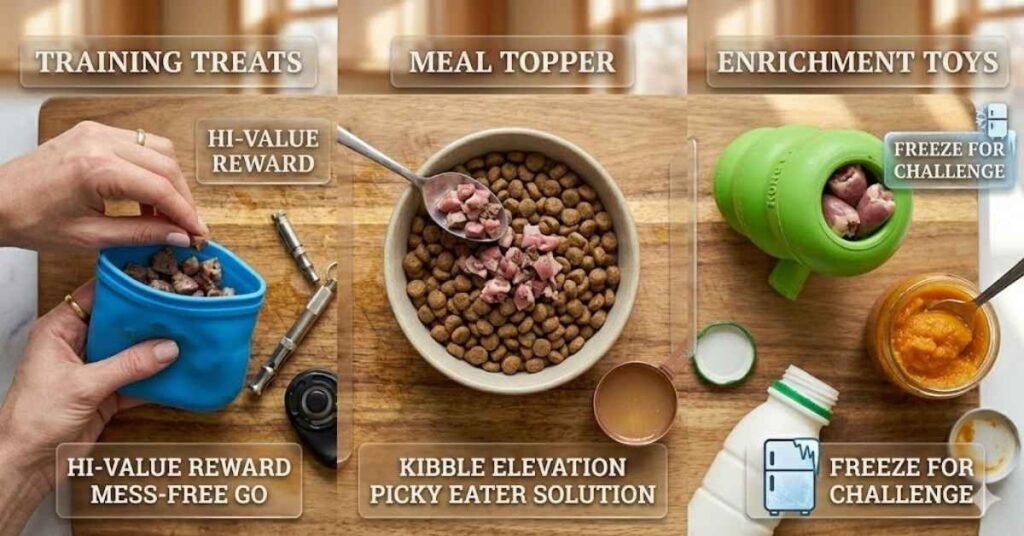
Adding these nutrient-dense treats to your dog’s routine is simple. Try these easy, practical methods to elevate their daily nutrition:
High-Value Training Treats
Because chicken hearts have a distinct, rich aroma, they work beautifully as high-value rewards during obedience training or reactivity work. If using raw or cooked hearts, slice them into bite-sized pieces and keep them in a silicone pouch. Freeze-dried versions are perfect for mess-free training on the go.
Nutrient-Dense Meal Topper
If your dog is a picky eater or needs a natural nutrient boost, place a few chopped chicken hearts directly on top of their standard kibble. This adds instant moisture, natural texture variation, and an irresistible scent that encourages stubborn dogs to finish their food.
Interactive Enrichment Toys
Stuff a few raw or cooked chicken hearts inside a rubber enrichment toy, fill the remaining space with plain pumpkin puree or unsweetened kefir, and freeze it solid. This creates a long-lasting, mentally stimulating challenge that burns excess energy while delivering solid nutrition.
Frequently Asked Questions (FAQs)
Can puppies eat chicken hearts?
Yes, puppies can eat chicken hearts starting around 8 to 12 weeks of age once they are fully transitioned to solid food. Because puppies have sensitive, developing digestive tracts, it is best to start with tiny pieces of fully cooked or freeze-dried hearts rather than raw options.
Are chicken hearts considered meat or organ in a raw diet?
In structured raw feeding systems like the Prey Model Raw (PMR) or BARF diets, chicken hearts are classified as muscle meat, not as a secreting organ (like liver or kidney). They should be counted toward the 80% muscle meat portion of the diet rather than the 10% organ allotment.
Can chicken hearts cause diarrhea in dogs?
Yes, if introduced too quickly or fed in large quantities, chicken hearts can cause temporary diarrhea or loose stools. This occurs because the heart muscle is rich, dense, and contains more fat than standard chicken breasts. Always start with a small amount and increase gradually.
How long do fresh chicken hearts stay good in the fridge?
Fresh, raw chicken hearts should be stored in an airtight container in the refrigerator and used within 2 to 3 days. If you cannot use them within that timeframe, freeze them immediately; they will stay safe and fresh in the freezer for up to 6 months.
Final Verdict for Pet Parents
Including fresh or freeze-dried chicken hearts for dogs in their regular routine provides a massive boost of natural taurine, iron, and lean protein. They are highly affordable, easy to prepare, and universally loved by almost every canine palate. Just remember to keep them plain, scale the portions according to your dog’s specific body weight, and treat them as a healthy supplement rather than a complete meal replacement.

Farhan Imran is the founder and lead editor of PetExpertly. With a background in managing pet-focused digital platforms like PurePawsLife, he is dedicated to researching and sharing the most reliable pet care advice. His goal is to help pet owners make informed decisions through well-researched guides