


Picture this: you are prepping duck breast for dinner, your dog is sitting three inches from your feet with those impossible eyes, and you start wondering. Is this actually okay to share? Can dogs eat raw duck, or are you about to make a very expensive vet trip?
Yes, dogs can eat raw duck. While skinless duck breast is a lean, highly digestible protein, whole duck with skin is high in fat, making proper preparation crucial. Dogs with sensitivities to chicken or beef often thrive on duck as a novel protein alternative.
Medically Reviewed by Dr. Sarah Mitchell, DVM | Last Updated: May 20, 2026
Disclaimer: This article is for informational purposes only and does not replace professional veterinary advice. Always consult your vet before making significant changes to your dog’s diet.
“In my 12 years of clinical practice, I have seen raw duck work beautifully for dogs with food intolerances,” says Dr. Sarah Mitchell, DVM. “But preparation matters enormously. Raw duck bones can be safe or dangerous depending on the cut, and sourcing quality meat is non-negotiable.”
What Is Raw Duck for Dogs? The Facts Most Owners Miss

Raw duck, in the context of dog feeding, refers to uncooked duck meat, organs, and bones. It is typically offered as part of a raw feeding protocol like BARF (Biologically Appropriate Raw Food) or a prey model raw diet. Duck is classified as a novel protein, meaning it is less commonly used in commercial dog foods than chicken or beef.
Here is a breakdown of how raw duck compares to other common protein sources:
| Factor | Raw Duck | Raw Chicken | Raw Beef | Raw Turkey | Raw Salmon |
| Protein Content | High (24g/100g) | High (22g/100g) | High (26g/100g) | High (23g/100g) | High (20g/100g) |
| Fat Content | Moderate-High | Low-Moderate | Varies | Low-Moderate | Low-Moderate |
| Novel Protein | Yes | No | No | Partially | Yes |
| Allergen Risk | Low | High | Moderate | Moderate | Low |
| Bone Safety | Moderate | Good | N/A | Good | Poor |
| Cost | Moderate | Low | Moderate | Low | High |
Duck is particularly notable for its zinc, iron, B vitamins, and niacin content. It is also rich in linoleic acid, an omega-6 fatty acid that supports coat health.
According to theAmerican Kennel Club’s nutrition guidelines, novel proteins like duck can be valuable tools in managing food-related allergies and intolerances in dogs.
Can Dogs Eat Raw Duck? The Complete Safety Analysis
Yes, dogs can eat raw duck safely when it is fresh, properly sourced, and fed in appropriate amounts. Raw duck is a digestible novel protein that suits most healthy adult dogs, though puppies, seniors, and immunocompromised dogs require extra caution.
The main safety considerations fall into three categories:
Bacterial Contamination. Raw poultry, including duck, can carry Salmonella, Campylobacter, and Listeria. Healthy adult dogs have highly acidic stomachs (pH 1-2) that kill most pathogens, but humans handling the meat face real exposure risk. Always wash hands and surfaces thoroughly after handling raw duck.
Nutritional Balance. Raw duck alone is not a complete diet. Without organs, bone, and a rotation of proteins, dogs fed exclusively on duck muscle meat will develop deficiencies over time, particularly in calcium, phosphorus, and fat-soluble vitamins.
Bone Safety. Raw duck bones are generally safer than cooked ones, which splinter dangerously. Raw duck necks and wings are flexible and digestible. Large marrow bones pose a fracture risk for aggressive chewers.
PetMD’s raw feeding safety overview offers an excellent rundown of pathogen risks and how to mitigate them.
5 Real Benefits of Raw Duck for Dogs
1. Raw Duck Is an Excellent Novel Protein for Allergy-Prone Dogs
Can dogs eat raw duck when they have food allergies? Absolutely, and it is often one of the top recommendations. Because duck is rarely found in mainstream commercial kibble, dogs with chicken or beef sensitivities have not been previously exposed to it. This makes duck ideal for elimination diet trials when identifying food triggers.
Novel proteins reduce the likelihood of an immune response. A 2020 study published in the Journal of Veterinary Internal Medicine found that novel protein diets significantly reduced allergy symptoms in 80% of dogs with confirmed food hypersensitivities.
2. Raw Duck Supports Lean Muscle Development
Raw duck meat is packed with complete amino acids, including leucine, lysine, and tryptophan, all critical for muscle repair and growth. The protein density in raw duck supports active dogs, working breeds, and dogs recovering from illness or surgery.
At roughly 24g of protein per 100g, raw duck rivals beef without the often-higher saturated fat content found in grain-fed beef.
3. Raw Duck Improves Coat and Skin Health
Duck’s natural fat profile, including linoleic acid and oleic acid, feeds the skin barrier directly. Many dog owners who switch to raw duck report shinier coats, reduced itching, and less flaking within 4 to 6 weeks. The zinc content in duck meat also plays a direct role in keratin production, which is the structural protein in hair and nails.
4. Duck Organs Provide a Concentrated Nutrient Hit
liver and duck hearts are nutritional powerhouses. Isone of the richest natural sources of vitamin A, B12, iron, and copper available to dogs. Hearts are high in taurine, which supports cardiac function, particularly important for breeds like Dobermans, Boxers, and Golden Retrievers, who are genetically predisposed to dilated cardiomyopathy.
5. Raw Duck Bones Promote Dental Health
Raw duck necks and wings act as natural toothbrushes. The chewing action physically scrapes plaque and tartar off teeth, reducing the risk of periodontal disease, which affects an estimated 80% of dogs over age three. Unlike processed dental chews loaded with starches and additives, raw duck bones provide this benefit with zero artificial ingredients.
The Real Risks: When Raw Duck Is Dangerous for Dogs
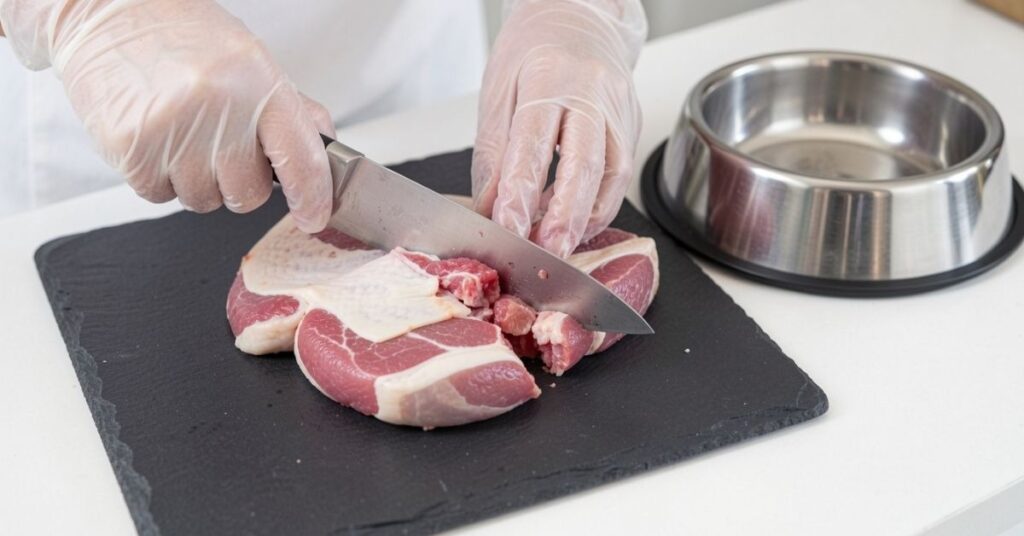
Raw duck is not risk-free. Here is what can go wrong, and when to be extra careful.
Bacterial Exposure Risk. Salmonella is the main concern. This matters more for the humans in your household, especially children, elderly individuals, and immunocompromised family members, than for healthy adult dogs. If anyone in your home is immunocompromised, discuss raw feeding carefully with both your vet and your family’s doctor.
Cooked Duck Bones Are Toxic. Never give your dog cooked duck bones. Cooking makes bones brittle and prone to splintering into sharp shards that can puncture the esophagus, stomach, or intestines. Feed raw duck bones only.
Duck Fat in Excess Causes Pancreatitis. Duck skin is high in fat. For dogs with a history of pancreatitis, including Miniature Schnauzers, Yorkshire Terriers, and Cocker Spaniels, duck skin should be removed before feeding or avoided entirely.
Duck Allergy Is Possible. While duck is a novel protein, some dogs are allergic to poultry proteins broadly. If your dog shows symptoms after eating raw duck, including itching, hives, vomiting, or facial swelling, stop feeding immediately and contact your vet.
Puppies and Immunocompromised Dogs Face Higher Risk. Puppies under 12 weeks, dogs on immunosuppressive medications, and dogs undergoing chemotherapy have reduced ability to fight off pathogenic bacteria. For these vulnerable pets, a cooked duck diet is significantly safer than a raw one.
Red Flag Symptoms After Feeding Raw Duck:
- Vomiting within 2 to 4 hours of eating
- Bloody diarrhea
- Lethargy or weakness
- Swollen abdomen
- Gagging or pawing at the mouth (possible bone obstruction)
- Facial swelling or hives (allergic reaction)
How Much Raw Duck Can Dogs Eat? Safe Serving Size Guide
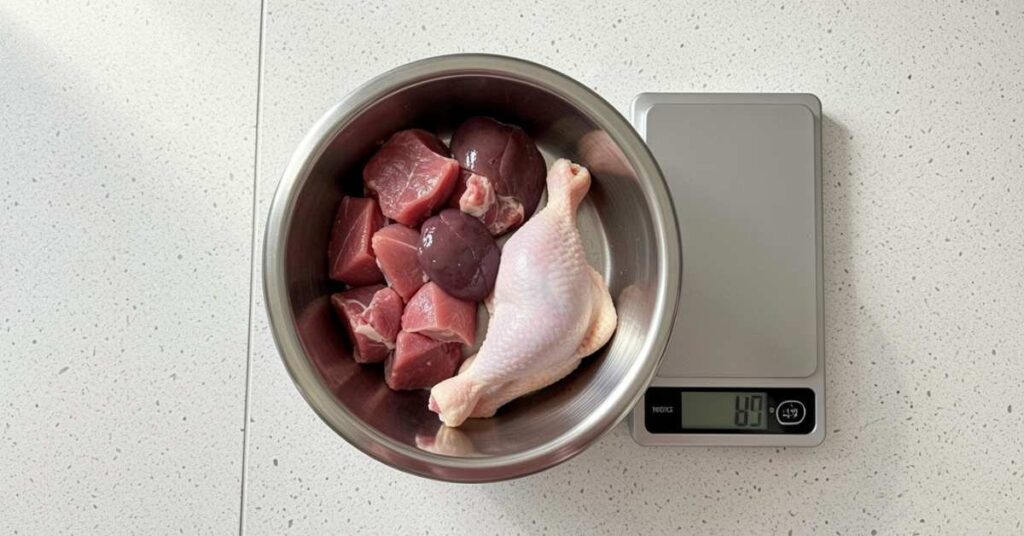
The standard guideline for raw feeding is 2 to 3% of your dog’s ideal body weight per day, split across two meals.
| Dog Size | Dog Weight | Safe Daily Amount | Frequency |
| Extra Small | Under 10 lbs | 1.5 to 3 oz | Daily or every other day |
| Small | 10 to 25 lbs | 3 to 6 oz | Daily |
| Medium | 25 to 50 lbs | 6 to 12 oz | Daily |
| Large | 50 to 90 lbs | 12 to 20 oz | Daily |
| Giant | Over 90 lbs | 20 to 30 oz | Daily |
Always transition onto raw duck gradually over 7 to 10 days to prevent digestive upset. Obese dogs should be fed at 2% of their target weight, not their current weight.
Raw Duck vs Cooked Duck: Which Is Better for Dogs?
| Factor | Raw Duck | Cooked Duck | Verdict |
| Bone Safety | Safe (raw, flexible bones) | Dangerous (bones splinter) | Raw wins |
| Pathogen Risk | Present (Salmonella possible) | Eliminated by heat | Cooked wins |
| Nutrient Retention | Higher (enzymes intact) | Some nutrients reduced | Raw wins |
| Ease of Preparation | Moderate | Easy | Tie |
| Immunocompromised Dogs | Not suitable | Yes, safe | Cooked wins |
Raw duck offers superior nutritional value and dental benefits, but cooked duck (boneless, unseasoned) is the safer choice for households with vulnerable humans or dogs with compromised immune systems. Never feed cooked duck bones under any circumstances.
How to Safely Prepare Raw Duck for Dogs: Step by Step
Step 1: Source quality duck. Buy human-grade raw duck from a reputable butcher or raw pet food supplier. Brands like Primal Pet Foods, Steve’s Real Food, and Darwin’s Natural Pet Products offer pre-portioned raw duck options formulated for dogs.
Step 2: Keep it cold. Store raw duck at or below 40 degrees F. Use within 2 days of purchase, or freeze immediately and thaw in the refrigerator. Never thaw on the counter.
Step 3: Remove the skin for fat-sensitive dogs. If your dog has a history of pancreatitis or digestive sensitivity, peel off the skin before serving.
Step 4: Choose the right cuts. For meals: duck breast or thigh meat. For recreational chewing: duck necks or wings (raw only). Avoid large weight-bearing bones like femurs, which can crack teeth.
Step 5: Portion correctly. Use the serving size table above. Weigh portions with a kitchen scale rather than eyeballing.
Step 6: Serve in a stainless steel or ceramic bowl. Plastic bowls harbor bacteria more easily than metal or ceramic options.
Step 7: Clean up immediately. Discard uneaten raw duck after 20 minutes. Wash the bowl, surfaces, and your hands with hot soapy water.
What NOT to do:
- Never season duck with garlic, onion, salt, or any spices.
- Never microwave raw duck to thaw, as it begins cooking the bones.
- Never feed duck bones that have been cooked in any way, even briefly.
How to Safely Serve Raw Duck: PetExpertly Best Practices
Source Commercial Raw. Buy flash-frozen raw duck specifically formulated for pets rather than grocery store meat whenever possible.
Remove the Skin. If your dog is overweight or prone to stomach upset, trim away the fatty duck skin before serving.
Freeze First. Freeze fresh duck for at least 3 weeks before feeding to reduce parasite risks significantly.
Introduce Gradually. Replace only 10% of your dog’s current food on day one, then increase the proportion slowly over 7 to 10 days until fully transitioned.
Signs Your Dog Had Too Much Raw Duck
Watch for these symptoms in the 12 to 24 hours after feeding raw duck, especially during initial transition:
- Loose stool or diarrhea
- Vomiting
- Lethargy or unusual tiredness
- Loss of appetite at next meal
- Greasy or unusually soft stool (sign of too much duck fat)
- Straining to defecate (possible constipation from too much bone)
If you notice gagging, retching, blood in stool, swollen abdomen, or signs of extreme distress, treat it as an emergency.
Emergency steps:
- Remove all food and water temporarily.
- Call your vet immediately.
- Contact the ASPCA Animal Poison Control Center: (888) 426-4435 (available 24/7).
- Do not attempt to induce vomiting unless specifically instructed by a vet.
Summary: Should You Feed Your Dog Raw Duck?
Raw duck is a nutrient-dense, allergy-friendly novel protein that can transform your dog’s coat and muscle health. Because of the fat content and bacterial risks, it requires strict hygiene and careful portioning. Always consult your local veterinarian before transitioning your dog to a fully raw diet.
Start with boneless duck breast if your dog is new to raw feeding, monitor closely for the first week, and adjust portions based on stool quality and energy levels.
Frequently Asked Questions
1. Can dogs eat raw duck bones? Yes, raw duck bones are generally safe for dogs. Raw duck necks and wings are flexible, digestible, and provide excellent dental benefits. Never feed cooked duck bones, which splinter into sharp fragments. Always supervise your dog when they are chewing any raw bone.
2. Can dogs eat raw duck every day? Dogs can eat raw duck daily as part of a balanced raw diet, but variety matters. Rotating proteins, including beef, turkey, rabbit, or fish, ensures your dog gets a full range of amino acids, fatty acids, and micronutrients. Feeding only ducks long-term can create nutritional gaps.
3. Can dogs eat raw duck neck? Raw duck neck is one of the safest and most popular raw meaty bones for dogs. It is soft enough for most dogs to crunch through safely and provides a natural source of glucosamine and chondroitin for joint health. It is a particularly good option for small to medium breeds.
4. Can puppies eat raw duck? Puppies over 8 to 12 weeks can eat raw duck, but they need extra supervision with bones and a carefully balanced diet to support rapid growth. Many raw feeding experts recommend waiting until 12 weeks before introducing raw duck bones. Always consult your vet before starting a puppy on a raw diet.
5. Is raw duck good for dogs with allergies? Yes. Can dogs eat raw duck when they have food allergies? Absolutely. Duck is one of the most recommended novel proteins for dogs with chicken or beef sensitivities. It is commonly used in veterinary elimination diet trials, and many allergy-prone dogs respond very well to duck-based raw diets.
6. Can dogs eat raw duck liver? Yes, raw duck liver is highly nutritious and a key component of a balanced raw diet. Liver should make up roughly 5% of the total raw diet. Feeding too much liver causes vitamin A toxicity over time, so stick to the 5% guideline. Duck liver is an excellent source of B12, iron, copper, and vitamin A.
7. What is duck allergy in dogs? Duck allergy in dogs, while less common than chicken or beef allergy, does exist. Signs include chronic itching, recurring ear infections, paw licking, and gastrointestinal upset. If your dog consistently reacts to duck-based foods, your vet may recommend an allergen-specific blood test or a structured elimination diet to confirm the diagnosis.
8. Can dogs eat raw duck fat? Small amounts of duck fat are fine and provide energy and fatty acids. However, large amounts of duck fat, particularly from duck skin, can trigger pancreatitis in susceptible dogs. Remove excess skin and fat from duck portions, especially if your dog is a Miniature Schnauzer, Cocker Spaniel, or has any history of pancreatitis.
Conclusion:
Can dogs eat raw duck? Yes, for most healthy adult dogs, raw duck is a nutritious, allergy-friendly protein source that supports muscle health, coat quality, and dental hygiene when fed correctly. The risks are real but manageable: source quality meat, skip the cooked bones, watch the fat content, and transition gradually.
For more expert dog nutrition guides, explore our complete series:
- Can Dogs Eat Apples?
- Can Dogs Eat Watermelon?
- Can Dogs Eat Beef Tallow?
- Can Dogs Eat Coconut Flour?
- Can Dogs Eat Cucumber?
- Dog Coughing and Gagging: Causes and Remedies
Did this guide help you? Share it with fellow dog owners and drop your questions in the comments below!

Farhan Imran is the founder and lead editor of PetExpertly. With a background in managing pet-focused digital platforms like PurePawsLife, he is dedicated to researching and sharing the most reliable pet care advice. His goal is to help pet owners make informed decisions through well-researched guides